Blog

Blog

Stay updated on our latest puzzle categories and brain training techniques.

260 Years of History, Hidden in a Single Puzzle Piece
01

260 Years of History, Hidden in a Single Puzzle Piece

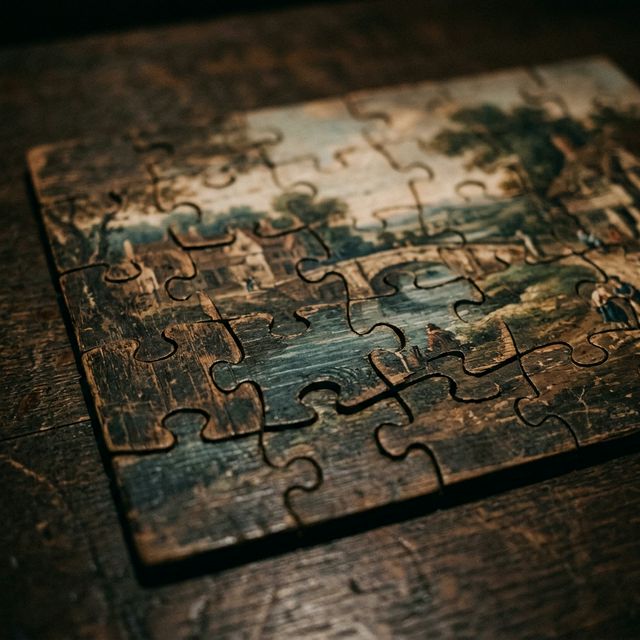
Most people don't know that jigsaw puzzles started as a geography lesson. In 1766, a London mapmaker named John Spilsbury wanted to teach children about world borders—so he glued a map onto a wooden board and cut it apart along the country lines. A hands-on learning tool, not a textbook. That one idea has traveled 260 years to reach us. Even the word 'puzzle' has a story: it traces back to a 16th-century English expression meaning something that confuses you before you figure it out. Honest name for a hobby.

자세히 보기 →
Choosing the Perfect Photo for Satisfying Puzzle Play (Practical Tips)
02

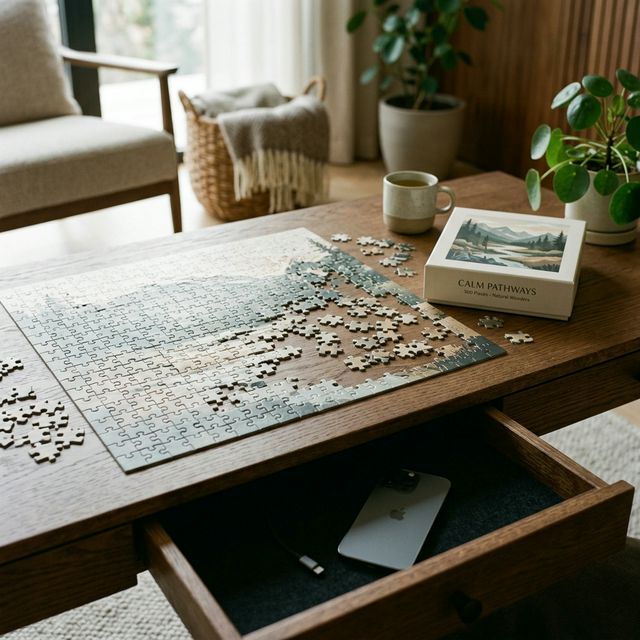
Choosing the Perfect Photo for Satisfying Puzzle Play (Practical Tips)

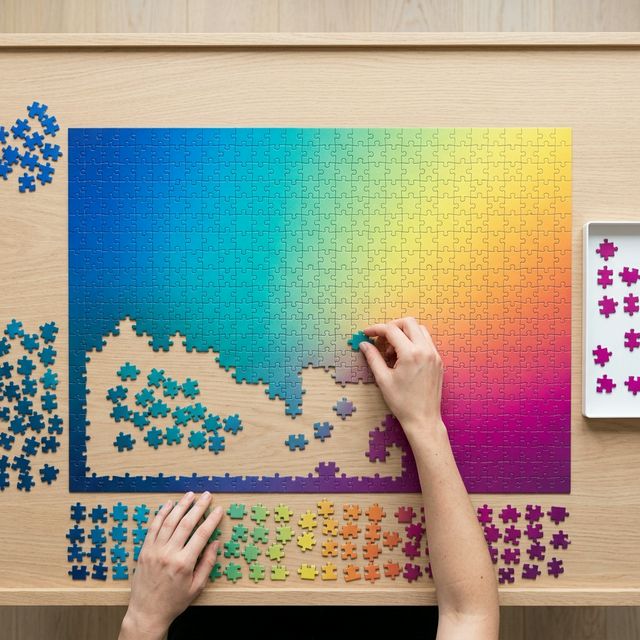
Not every photo makes a great puzzle. After operating this service, I've found a few tricks. First, avoid very monotonous colors (like a clear blue sky without clouds)—they're extremely difficult. Instead, choose photos with clear contrast and texture. Photos with patterns like tree bark or brick walls are much more fun to solve. The images in Quick Puzzle's gallery are personally curated based on these criteria, so you won't fail if you pick one from there.

자세히 보기 →
Yes, There Are World Champions at Jigsaw Puzzles
03

Yes, There Are World Champions at Jigsaw Puzzles

Every year in Valladolid, Spain, something genuinely competitive happens. The World Jigsaw Puzzle Championship (WJPC) draws competitors from over 50 countries, all racing to complete a 1,000-piece puzzle as fast as possible. Yes, the same kind you have at home. For logic puzzles, there's the World Puzzle Championship (WPC)—running since 1992, with national teams competing in Sudoku, Pentominoes, and more. Then there's speedcubing: under the World Cube Association (WCA), the current 3×3 world record stands at 3.13 seconds. Three seconds. It's genuinely hard to picture what that even looks like.

자세히 보기 →
Playing at Home with Kids: How Puzzles Impact Creativity
04

Playing at Home with Kids: How Puzzles Impact Creativity

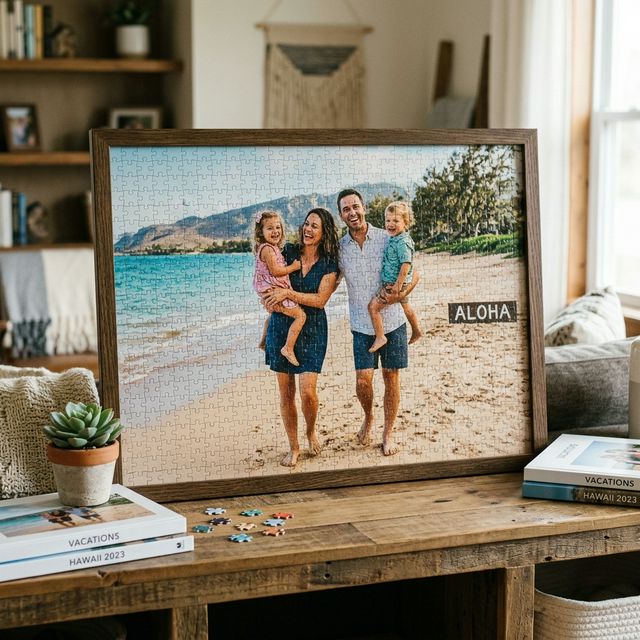
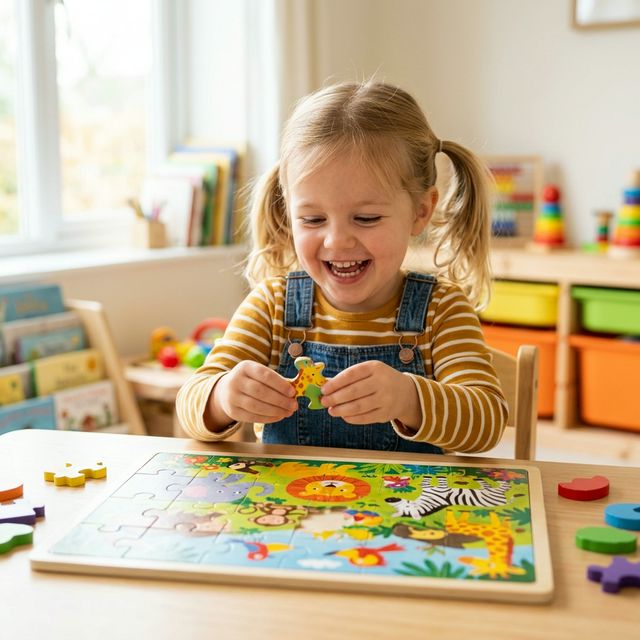
If you're wondering what to do with your kids this weekend, I highly recommend puzzles. The process of children reasoning through shapes and completing a whole image develops visual insight. Especially when you make puzzles with their own drawings or family trip photos, their immersion level goes up by 200%. Why not solve a 'Family Puzzle' together this weekend as the healthiest activity for a sense of achievement?

자세히 보기 →
That Satisfying Click Isn't Random—Here's What's Actually Happening
05

That Satisfying Click Isn't Random—Here's What's Actually Happening

There's a reason you lose track of time doing puzzles. Every time a piece clicks into place, your brain releases a small hit of dopamine—a built-in reward for solving something. Those small wins keep stacking up, which is why it's hard to stop at just one piece. Meanwhile, holding the shape and color of a piece in your head while scanning for its match is quietly training your working memory. For people who know meditation is good for them but can't quite sit still for it, puzzles are a surprisingly practical alternative. Research from organizations like the Alzheimer's Association also points to mentally engaging activities—puzzles included—as meaningful support for long-term brain health.

자세히 보기 →
A Must-Read for Pet Owners! Making Puzzles with Your Pet's Photos
06

A Must-Read for Pet Owners! Making Puzzles with Your Pet's Photos

Creating the only pet merchandise in the world is surprisingly simple. Just upload the prettiest picture of your baby. Matching the texture of every single hair feels like you are petting them. It's also fun to capture the completed puzzle screen and show it off to friends. Keep precious memories with your pets, piece by piece.

자세히 보기 →
Comfortable Eyes Make Fun Puzzles: Lighting and Environment Tips
07

Comfortable Eyes Make Fun Puzzles: Lighting and Environment Tips

Puzzling for a long time can strain your eyes. Natural light is best, but when playing at night, use indirect lighting. A pro tip is not setting your screen saturation too high. While our service uses eye-friendly colors, it's good to take breaks and look at distant objects. Become a master who enjoys puzzles healthily.

자세히 보기 →
The '4-Step Strategy' for the Fastest Completion, According to Puzzle Masters
08

The '4-Step Strategy' for the Fastest Completion, According to Puzzle Masters

Solving puzzles quickly is a skill. Here's a secret shared by masters. First, always start from the borders. You need a frame to see the path. Second, sort similar colors in advance. Third, target distinctive parts (like eyes, nose, or letters) first. Finally, if you're stuck, look at the picture upside down or take a break. Remembering these 4 steps will dramatically shorten your record.

자세히 보기 →

Play Puzzle Master

Select a difficulty level and upload any photo to start.

Difficulty (Pieces)16 (4x4)
9100400
Enable Piece Rotation